Brooklyn Pocket Listings 2026: What They Are and How to Find Them
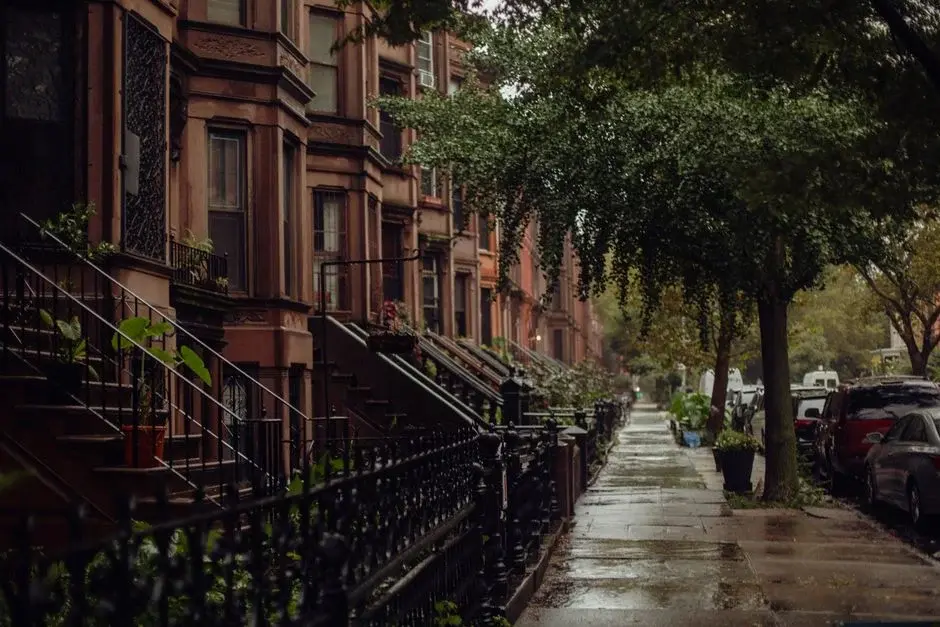
Brooklyn pocket listings are homes for sale without a public listing. There is no portal page to refresh, no open house on the calendar, and often no sign outside. The seller and the listing agent have agreed to shop the property quietly to a limited pool of buyers. In parts of Brooklyn, some of the most exclusive properties change hands this way, and the 2026 market data helps explain why both buyers and sellers keep returning to the arrangement.
What Counts as a Pocket Listing
You will also hear these homes called off-market listings, private listings, or whisper listings. The common thread is control over who knows the property is available and when the wider market finds out.
- No public listing or broad syndication while the seller tests the market
- Agent-controlled access, with the listing broker deciding who hears about the property first
- Terms negotiated through direct conversation rather than a public offer deadline
- A smaller pool of buyers, sometimes only a handful of qualified candidates
Going off-market is not automatic and it is not permanent. It is a decision a seller makes with their agent, and it can be reversed if the property does not attract the right offer within the timeframe the seller has in mind. Many pocket listings eventually appear publicly if the quiet approach does not produce a deal.
Why the 2026 Brooklyn Market Makes Quiet Deals More Common
Brooklyn entered 2026 in a noticeably buyer-friendly window. A February 2026 market report found that contracts dropped 15.8% while listings climbed, handing buyers negotiating room they had not held in years. January 2026 data showed active inventory falling to 2,892 listings, down 14.9% month over month as many sellers paused their listings for the holidays. By June 2026, the tone had shifted again: prices rose, inventory tightened, and competition stayed strong.
That swing matters for pocket listings. When inventory loosens and buyers have room to push back on price, some sellers prefer to test a number privately before committing to a full public launch. When inventory tightens and competition returns, buyers who keep losing public bidding wars start asking their agents a different question: what is available that nobody has listed yet.

Brooklyn Market Data That Shapes Off-Market Decisions
The table below pulls together what the 2026 Brooklyn reports actually measured. None of these figures is a pocket listing statistic, because off-market deals are not captured in public inventory counts. They do show the conditions that push sellers and buyers toward private arrangements.
| Signal | What the 2026 data showed |
|---|---|
| Contracts, early 2026 | Dropped 15.8% while listings climbed, opening a buyer-friendly window |
| Active inventory, January 2026 | Fell to 2,892 listings, down 14.9% month over month as sellers paused for the holidays |
| Entry-level supply, 1Q 2026 | Listings under $350K posted the largest inventory increase of the quarter, up 30% year over year |
| Unit mix, 1Q 2026 | Two-bedroom homes made up 42% of listings, the single biggest share |
| Upper end, May 2026 update | Listings over $2M rose 8.4% month over month and 14.4% year over year |
| New listings, 2Q 2026 | One Key MLS reported 701 new listings for the quarter |
| Market tone, June 2026 | Prices rose, inventory tightened, and competition stayed strong |
| Townhouses, 1Q 2026 | Continued buyer demand, improving transaction activity, and resilient pricing |
Where Pocket Listings Show Up in Brooklyn
Quiet deals are most often associated with the borough's high-end stock. Some of the most exclusive properties, in neighborhoods such as Park Slope, Bay Ridge, and Brooklyn Heights, are sold privately rather than through a public campaign. The upper-end numbers support why that segment behaves differently. With listings over $2M up 8.4% month over month and 14.4% year over year as of a May 2026 update, more high-end sellers are competing for the same limited group of qualified buyers, and discretion becomes one way to stand apart.
That said, the entry-level side of the market is not standing still. Listings under $350K saw the largest inventory increase of the first quarter of 2026, up 30% over the prior year, and two-bedroom homes accounted for 42% of listings. Buyers hunting in those brackets should not assume that every quiet conversation is a luxury conversation.

How Buyers Actually Get in Front of a Pocket Listing
Work with an agent who is active in the specific neighborhood
Off-market inventory moves through relationships. A listing agent who has a seller weighing a private sale typically shares that information with other agents they already trust and talk to regularly. An agent who works one or two Brooklyn neighborhoods every week sits inside those conversations in a way a generalist does not. If you are focused on a particular part of Brooklyn, such as Bay Ridge, hire for that focus rather than for volume of listings shown.
Be specific enough that an agent can match you without asking
"A two-bedroom in Brooklyn under a certain budget" is not a useful brief. A price ceiling, a preferred set of neighborhoods, a property type, a timeline, and the conditions you cannot compromise on give an agent something to act on the moment a seller mentions an off-market possibility. Vague criteria get remembered last.
Stay on the radar after a deal falls through
Buyers who lose a bidding war often disappear from the agent's inbox. That is a mistake. A seller who chose a public listing the first time may go quiet on the next property, and the agent who watched you lose politely remembers you. A short note every few weeks keeps you in the loop without becoming a nuisance.
Ask the question directly
Ask your agent, plainly, what is moving behind the scenes in the neighborhoods you are targeting. Many buyers never raise it, and agents cannot read minds. The worst outcome is a simple no. The best outcome is a tour before the property ever reaches a portal.
What Sellers Give Up With an Off-Market Sale
The appeal for sellers is obvious: privacy, fewer strangers walking through the home, and no public record of a price reduction if the first number does not land. The trade-offs deserve equal weight. A private sale reaches a smaller audience, which means fewer competing offers and less public feedback on pricing. It also means the seller is relying on their agent's read of the market rather than on open competition to set the number.
For sellers weighing this route, the practical question is whether the property has a narrow, identifiable buyer pool or a broad one. A distinctive home in a well-known neighborhood may find its buyer through a handful of conversations. A standard two-bedroom competing against dozens of similar listings usually benefits from the widest possible exposure.
Rules and Disclosures to Verify Before Relying on an Off-Market Deal
Requirements around advertising off-market properties, how they may be shared between agents, and when they must be entered into a listing service come from a mix of brokerage policy, multiple listing service rules, and state regulation. These requirements change over time and vary by affiliation. Before you build a strategy around a pocket listing, confirm the current rules with the listing brokerage and the relevant MLS rather than relying on what worked in a previous year.
Frequently Asked Questions
Are pocket listings legal in Brooklyn?
The rules governing off-market listings come from brokerage policy, multiple listing service requirements, and state regulation, and they change over time. There is no single answer that covers every property or every brokerage affiliation. If you are buying or selling through a private arrangement, confirm the current requirements directly with the listing brokerage and the relevant MLS before you sign anything.
How do I find out about a Brooklyn pocket listing before it goes public?
The most reliable route is a working relationship with an agent who is active in your target neighborhood and who talks with other agents regularly. Give that agent specific criteria, stay in contact after you lose a deal, and ask directly what is available off-market. There is no public database of pocket listings, because by definition they are not publicly advertised.
Do pocket listings sell for less than publicly listed homes?
The 2026 Brooklyn market reports covering prices and inventory do not break out pocket listing pricing, so any specific discount claim should be treated as unverified. Whether a seller accepts less depends on how motivated they are, how many buyers see the property, and how the negotiation unfolds. Ask for the comparable sales behind any private price rather than assuming a rule.
Are pocket listings only for luxury homes?
Quiet sales are most often associated with exclusive properties in neighborhoods like Park Slope, Bay Ridge, and Brooklyn Heights. At the same time, entry-level supply grew sharply in the first quarter of 2026, with listings under $350K up 30% year over year, and two-bedroom homes made up 42% of listings. Off-market conversations are not strictly a luxury phenomenon.
What should I ask an agent about off-market properties?
Ask what they are hearing about in your specific neighborhoods, how often they learn about a property before it lists publicly, and what criteria they would need from you to make a match. Also ask how they handle pricing evidence for a home with no public listing history, since a private sale comes with less public data to compare against.
Brooklyn Pocket Listings 2026: What They Are and How to Find ThemBrooklyn Real Estate2026-09-30T17:42:14+00:00