How Buyers Can Find My Home on ChatGPT: AI Home Selling Explained
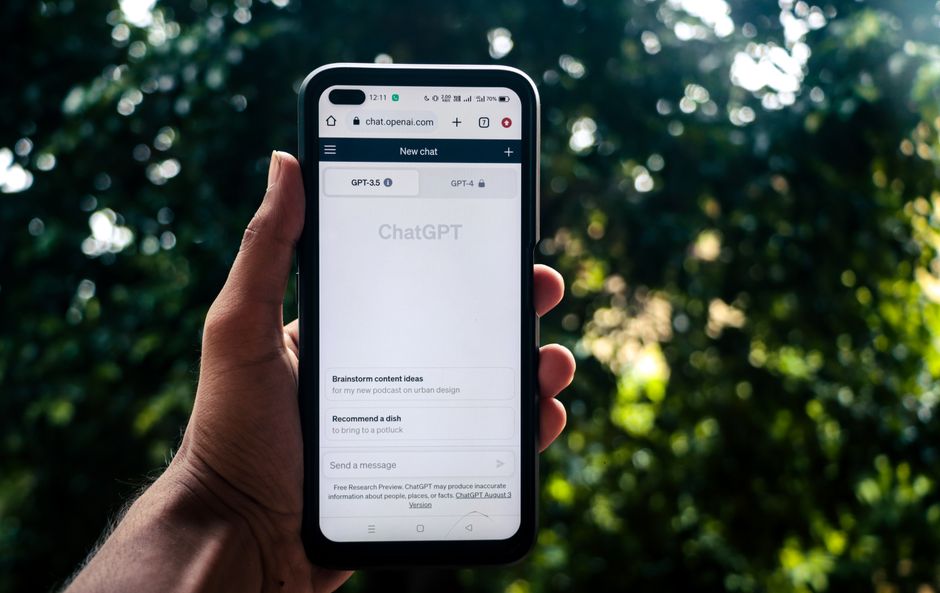
Buyers find homes on ChatGPT through three paths: live web browsing, the Zillow and Redfin apps inside ChatGPT, and neighborhood-authority content that AI assistants cite when answering Brooklyn real estate questions.
How ChatGPT Finds Brooklyn Homes in 2026
ChatGPT does not have a direct line into the MLS. It uses a few different paths to surface real estate:
- Web browsing. ChatGPT can search the live web. Pages with substantive Brooklyn neighborhood content and clean listing data get pulled into answers.
- Connected apps. Zillow and Redfin both run ChatGPT apps. If your home is on Zillow, it is technically eligible to surface through that path, but only if the buyer phrases the question in a way the app catches, and only if the app picks your listing over thousands of competing ones.
- Custom GPTs. Tools like House Finder and Home Finder AI ask buyers for budget, neighborhood, and amenities, then pull from whatever data they can reach.
- Training data and indexed sources. When ChatGPT writes a neighborhood overview ("here is what living in Sunset Park is like"), it pulls from the most authoritative content it can cite. That source layer is where listings get embedded indirectly: if your home lives on a site ChatGPT treats as the neighborhood authority, your home gets surfaced inside neighborhood answers.
Why the Zillow Plugin Alone Is Not Enough
Being on Zillow gets you a chance at appearing in a ChatGPT app result. It is not a strategy. Four reasons:
- The app only surfaces listings already in Zillow's database, and Zillow runs its own algorithm to decide which ones to return.
- The buyer has to phrase the question in a way that triggers the app. Many do not.
- The apps are most reliable for ChatGPT Plus users, which is a slice of total ChatGPT traffic.
- App support changes quietly. Anyone relying on a single third-party integration is one product update away from invisible.
The bigger gap is upstream: national portals answer "what is for sale," not "what is it like to live here." Brooklyn buyers ask the second question first.
What Buyers Actually Ask ChatGPT About Brooklyn Real Estate
The questions Brooklyn buyers send to AI assistants are granular, neighborhood-specific, and lifestyle-rooted:
- "Where should I look for a family-friendly brownstone in Brooklyn under $1.8M?"
- "Compare Park Slope and Cobble Hill for a couple with one kid."
- "What is the commute from Bay Ridge to Midtown?"
- "Which Brooklyn neighborhood feels most like the West Village but cheaper?"
- "How much should I expect to pay for a two-family in Bensonhurst in 2026?"
The answer the buyer reads sets the shortlist. If your listing is not inside that answer (or inside the neighborhood page the buyer reads next), the buyer never gets to it. National portals can list your home. They cannot be the source ChatGPT cites when a buyer asks about your block.
Why Franzese Properties Is Built to Surface Your Home on ChatGPT
Franzese Properties is built as the hyperlocal answer engine for Brooklyn real estate. The neighborhood pages are the layer ChatGPT, Perplexity, Gemini, and Claude pull from when a buyer asks a Brooklyn question. Each neighborhood page covers:
- Market conditions and current price bands
- Housing styles (brownstones, two-family frame, detached, co-op, condo)
- Transportation and commute time to Manhattan
- School zones and reputations
- Parks, landmarks, restaurants, and culture
- The granular FAQ buyers actually ask before they ever contact an agent
When a buyer asks ChatGPT "what is it like to live in Crown Heights" or "best Brooklyn neighborhoods for families in 2026," our content is built to be the source the AI cites. Your listing sits inside that authority. The buyer reads the neighborhood answer, follows the link, and lands on your home in the context that closes.
What You Can Do as a Seller to Get Found on ChatGPT
- List with a platform built to be the neighborhood authority. If your listing only lives on Zillow and your private agent site, the AI layer above your listing is generic. The buyer's first read does not include you.
- Make sure the listing copy is specific. Square footage, layout, recent upgrades, transit distance, school zone, what the block sounds like at 7am. Generic copy gets summarized into nothing.
- Treat photos as a signal, not just decoration. Buyers and AI both reward clean rooms, good light, and tight angles. Photos drive click-through on portals, which drives the indexing signal.
- Get on Zillow and StreetEasy anyway. Plugin coverage is a backup distribution channel. Stack the distribution.
- Work with a local team that understands the new discovery layer. The math has moved upstream. The brokers who only know the portal game are competing on a smaller and smaller surface.
Frequently Asked Questions
Can buyers find my Brooklyn home on ChatGPT without a plugin?
Yes, indirectly. ChatGPT can surface your home if it sits inside neighborhood content that ChatGPT treats as authoritative. Buyers asking neighborhood questions get an answer pulled from that content, with your listing inside the page they land on. The plugin path is one route. The neighborhood-authority route is the bigger one.
Will listing on Zillow guarantee my home appears on ChatGPT?
No. The Zillow ChatGPT app only surfaces listings that match the user's specific query, and Zillow's algorithm decides which ones to return. Out of millions of Zillow listings, the app returns a handful per query. Counting on a portal plugin alone is a one-channel strategy in a market that needs multi-channel discovery.
What is answer engine optimization for a home seller?
Answer engine optimization is the practice of making your listing and the content around it discoverable by AI assistants like ChatGPT, Perplexity, Gemini, and Claude. For a Brooklyn home seller, it means listing with a platform whose neighborhood content is built to be the source AI assistants cite. Outcome: your home shows up in the answers buyers read before they ever open a portal.
Do I need a custom GPT to get my home listed?
No. Custom GPTs like House Finder and Home Finder AI are public tools. You do not pay them to feature your home. They surface listings from whatever sources they can reach. The work is on the discovery layer above your listing, not on the GPTs themselves.
How is being found on ChatGPT different from ranking on Google?
Google still sends traffic to portals and listing pages. ChatGPT answers the question directly, then sends one or two links. The competition is no longer "where do I rank on a page of ten blue links." It is "am I in the one paragraph the AI assistant says back to the buyer." That is a higher bar and a smaller funnel. The brokers who win that bar will own the discovery layer for the next ten years.
How Buyers Can Find My Home on ChatGPT: AI Home Selling ExplainedBrooklyn Real Estate2026-06-27T08:54:08+00:00